
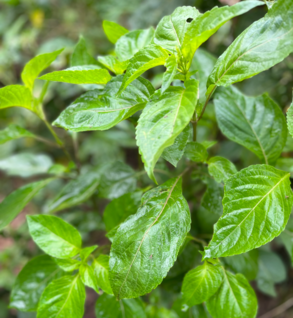
Description
Origins
Scientific Name
Ocimum gratissimum
Scent leaf is an aromatic leafy herb indigenous to West Africa and Central Africa. It has been used for centuries in traditional African cuisine and herbal medicine, especially in Nigeria and Cameroon.
The plant is valued not only for its distinct aroma and flavor but also for its strong medicinal and preservative properties.
Nutritional Value
Scent leaf is a medicinal herb with significant nutritional benefits. It contains:
- Vitamins A & C – support immunity, vision, and skin health
- Iron – supports blood production
- Calcium & Magnesium – support bone and muscle health
- Dietary fiber – aids digestion
- Essential oils (eugenol, thymol) – provide antimicrobial and anti-inflammatory benefits
- Antioxidants – help reduce oxidative stress
Traditionally, scent leaf is used to support digestion, respiratory health, blood sugar regulation, and postpartum recovery.
Scientific Name
Ocimum gratissimum
Other Names
- Nchuanwu (Igbo – Nigeria)
- Efirin (Yoruba – Nigeria)
- Nunum (Cameroon)
- African Basil
- Clove Basil
How It Is Grown
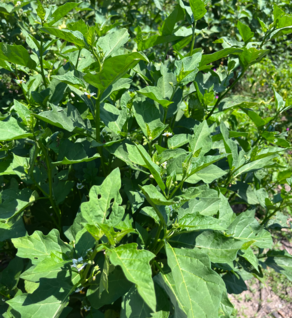
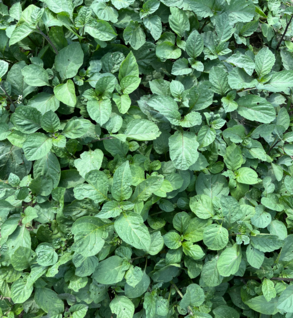
Scent leaf is a hardy perennial herb that thrives in tropical and subtropical climates.
- Soil: Prefers fertile, well-drained loamy soil rich in organic matter
- Climate: Warm temperatures with moderate rainfall
- Planting: Propagated from seeds or stem cuttings
- Watering: Moderate watering; drought-tolerant once established
- Growth habit: Bushy, aromatic plant with soft green leaves
- Harvesting: Leaves can be harvested continuously once the plant is established
- Maintenance: Regular pruning encourages bushier growth and higher leaf yield


Reviews
There are no reviews yet.