
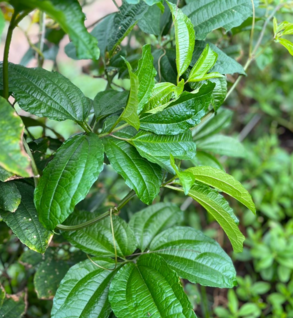
Description
Origins
Telfairia occidentalis
Ugu is an indigenous leafy vegetable native to West Africa, particularly Nigeria, where it is a staple in many traditional diets. It has been cultivated for centuries by local farming communities and holds cultural, culinary, and medicinal significance. Ugu is especially valued among the Igbo people and has gradually gained popularity across Africa and in diaspora communities worldwide.
Nutritional Value
Ugu is a highly nutritious leafy vegetable and is often described as a natural blood-building food. It is rich in:
- Iron – supports red blood cell production and helps prevent anemia
- Protein – higher than many leafy greens
- Vitamin A – supports eye health and immunity
- Vitamin C – boosts immune function and aids iron absorption
- Calcium & Magnesium – support bone health
- Dietary fiber – aids digestion and gut health
- Antioxidants – help reduce inflammation
Because of its nutrient density, Ugu is commonly recommended for pregnant women, nursing mothers, and people recovering from illness.
Scientific Name
Telfairia occidentalis
Other Names
- Fluted Pumpkin
- Pumpkin Leaf
- Okongbong
- Ikong Ubon (Efik/Ibibio)
- Iroko (some local dialects)
- Ugwu (alternate spelling)
How It Is Grown
Ugu is a vigorous climbing vine that thrives in warm, tropical, and subtropical environments.
- Soil: Prefers fertile, well-drained loamy soil rich in organic matter
- Climate: Warm temperatures with moderate to high rainfall
- Planting: Grown from large seeds planted directly into the soil
- Spacing: Requires adequate space and support (stakes, trellises, or ground spreading)
- Watering: Needs consistent watering, especially during early growth
- Harvesting: Leaves can be harvested repeatedly starting 6–8 weeks after planting
- Longevity: With proper care, one plant can produce leaves for several months

Reviews
There are no reviews yet.