


Description
Scientific Name
Solanum aethiopicum
(closely related species include Solanum macrocarpon)
Origins
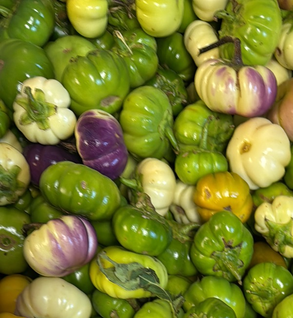
African garden eggs originate from West Africa and Central Africa, where they have been cultivated for centuries as an important food crop. They are especially popular in Nigeria, Ghana, Cameroon, and Benin.
Garden eggs are eaten fresh, cooked, or as snacks, and they play a key role in traditional diets, ceremonies, and everyday meals.
Nutritional Value
African garden eggs are low-calorie but nutrient-rich vegetables that support overall health. They contain:
- Dietary fiber – supports digestion and gut health
- Vitamin C – boosts immunity and supports skin health
- Vitamin A – supports vision and immune function
- Potassium – helps regulate blood pressure and heart health
- Antioxidants – help fight inflammation and oxidative stress
- Water content – supports hydration
Traditionally, garden eggs are believed to support digestive health, appetite control, and general wellness.
Scientific Name
Solanum aethiopicum
(closely related species include Solanum macrocarpon)
Other Names
- Garden Egg
- African Eggplant
- Garden Eggplant
- Aubergine (African varieties)
- Ngwa (Igbo – Nigeria)
- Njakatu (local usage in parts of Cameroon)
How It Is Grown
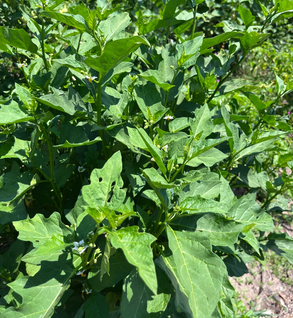
African garden eggs are warm-season vegetables that grow well in tropical and subtropical climates.
- Soil: Prefers fertile, well-drained loamy soil rich in organic matter
- Climate: Warm temperatures and full sunlight
- Planting: Grown from seeds, usually started in nurseries and transplanted
- Watering: Requires regular watering, especially during flowering and fruiting
- Growth habit: Bushy plant with broad leaves and round to oval fruits
- Harvesting: Fruits are harvested 8–12 weeks after planting, depending on variety
- Maintenance: Regular harvesting encourages continued fruit production



Reviews
There are no reviews yet.