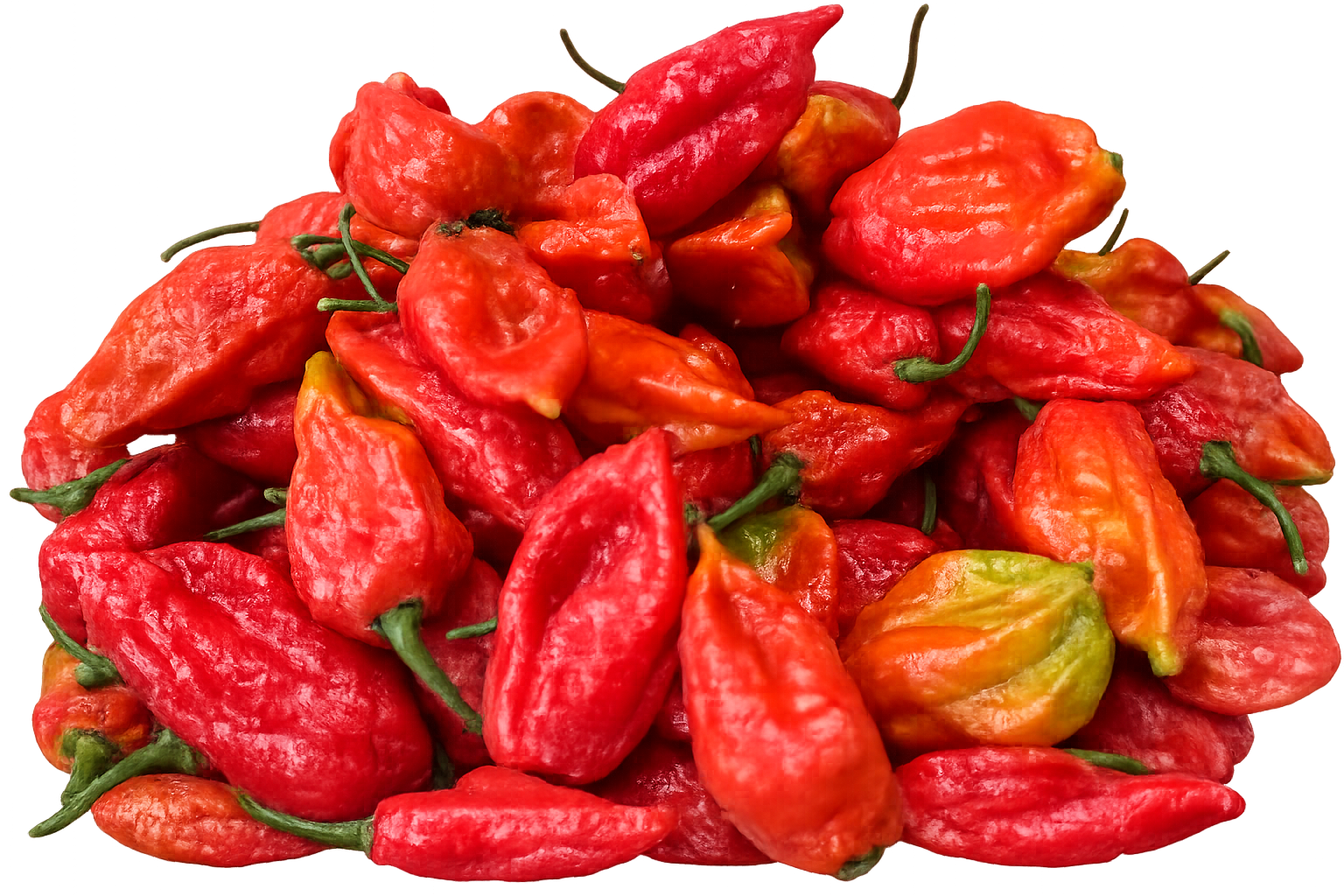

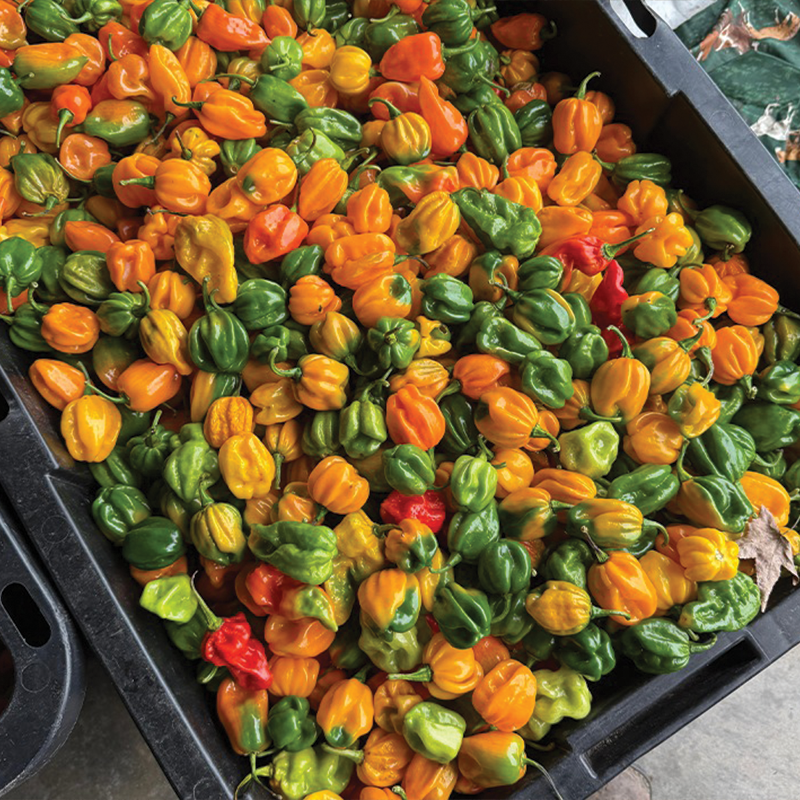
Description
Scientific Name
Capsicum chinense
Origins
The Carolina Reaper was developed in the United States, specifically in South Carolina, by chili breeder Ed Currie of the PuckerButt Pepper Company.
It is a hybrid created from a Pakistani Naga pepper and a Red Habanero, bred for extreme heat and distinctive flavor. The Carolina Reaper gained global recognition after being officially named the world’s hottest pepper.
Nutritional Value
Despite its intense heat, the Carolina Reaper is nutrient-dense and medicinally significant when used in very small quantities. It contains:
- Capsaicin (very high levels) – supports metabolism, pain relief, and anti-inflammatory responses
- Vitamin C – boosts immunity and supports skin health
- Vitamin A (beta-carotene) – supports vision and immune function
- Potassium – supports heart and muscle function
- Antioxidants – help reduce oxidative stress
Traditionally, super-hot peppers are used sparingly to support circulation, digestion, congestion relief, and metabolic stimulation.
Scientific Name
Capsicum chinense
Other Names
- Carolina Reaper Chili
- Reaper Pepper
- Smokin’ Ed’s Reaper
- Super-Hot Chili Pepper
How It Is Grown
Carolina Reaper is a heat-loving perennial pepper (often grown as an annual) that requires careful management.
- Soil: Fertile, well-drained loamy soil rich in organic matter
- Climate: Hot temperatures, high humidity, and full sunlight
- Planting: Grown from seeds; seeds are typically started indoors and transplanted
- Watering: Regular but controlled watering; sensitive to waterlogging
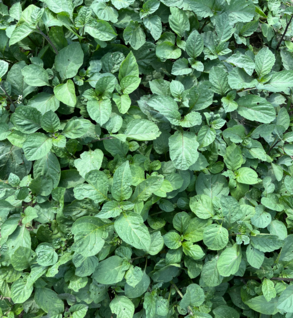
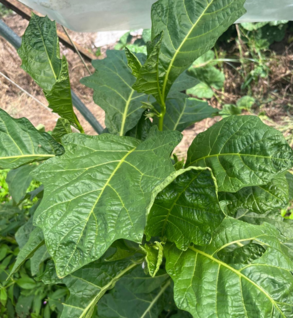
- Growth habit: Bushy plant with sturdy stems and wrinkled, tail-shaped fruits
- Harvesting: Fruits mature in 90–120 days, turning bright red when fully ripe
- Handling: Gloves and eye protection are recommended due to extreme capsaicin levels

Reviews
There are no reviews yet.