
Description
Scientific Name
Corchorus olitorius
Origins
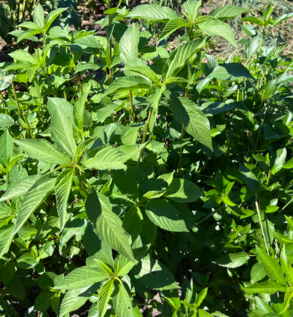
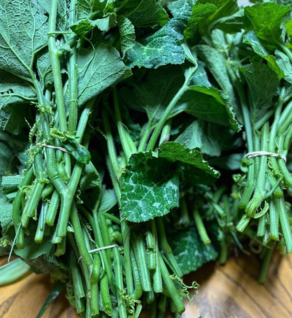
Jute leaf is a traditional leafy vegetable native to West Africa, East Africa, and parts of South Asia. It has been cultivated for centuries both as a food crop and as a fiber plant. In Africa, it is especially popular in Nigeria, Ghana, Cameroon, and Sierra Leone, while in Asia it is widely consumed in Egypt and Bangladesh.
Jute leaf is known for its slightly bitter taste and characteristic slimy texture when cooked, which is culturally valued and nutritionally beneficial.
Nutritional Value
Jute leaf is a nutrient-dense and medicinal leafy vegetable with excellent health benefits. It is rich in:
- Iron – supports blood formation and helps prevent anemia
- Vitamin A – promotes eye health and immunity
- Vitamin C – strengthens the immune system
- Calcium & Potassium – support bone health and heart function
- Dietary fiber & mucilage – aids digestion and gut health
- Antioxidants – help reduce inflammation
The natural mucilage in jute leaf supports digestion and is often recommended for digestive health and postpartum recovery.
Scientific Name
Corchorus olitorius
Other Names
- Ewedu (Yoruba – Nigeria)
- Ayoyo (Ghana)
- Rama / Saluyot (Philippines)
- Molokhia / Mulukhiyah (Middle East & North Africa)
- Bush Okra
- Jute Mallow
How It Is Grown
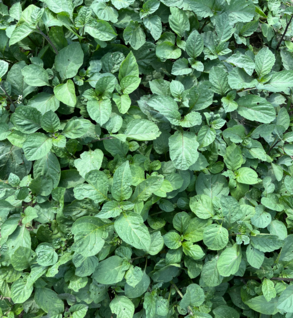
Jute leaf is a fast-growing annual leafy vegetable that thrives in warm climates.
- Soil: Prefers fertile, well-drained loamy or sandy soil
- Climate: Warm temperatures with moderate rainfall
- Planting: Grown primarily from seeds, direct-sown into the soil
- Watering: Requires consistent moisture, especially during early growth
- Growth habit: Upright plant with tender leaves
- Harvesting: Leaves can be harvested within 4–6 weeks after planting
- Maintenance: Regular harvesting encourages continuous leaf production

Reviews
There are no reviews yet.