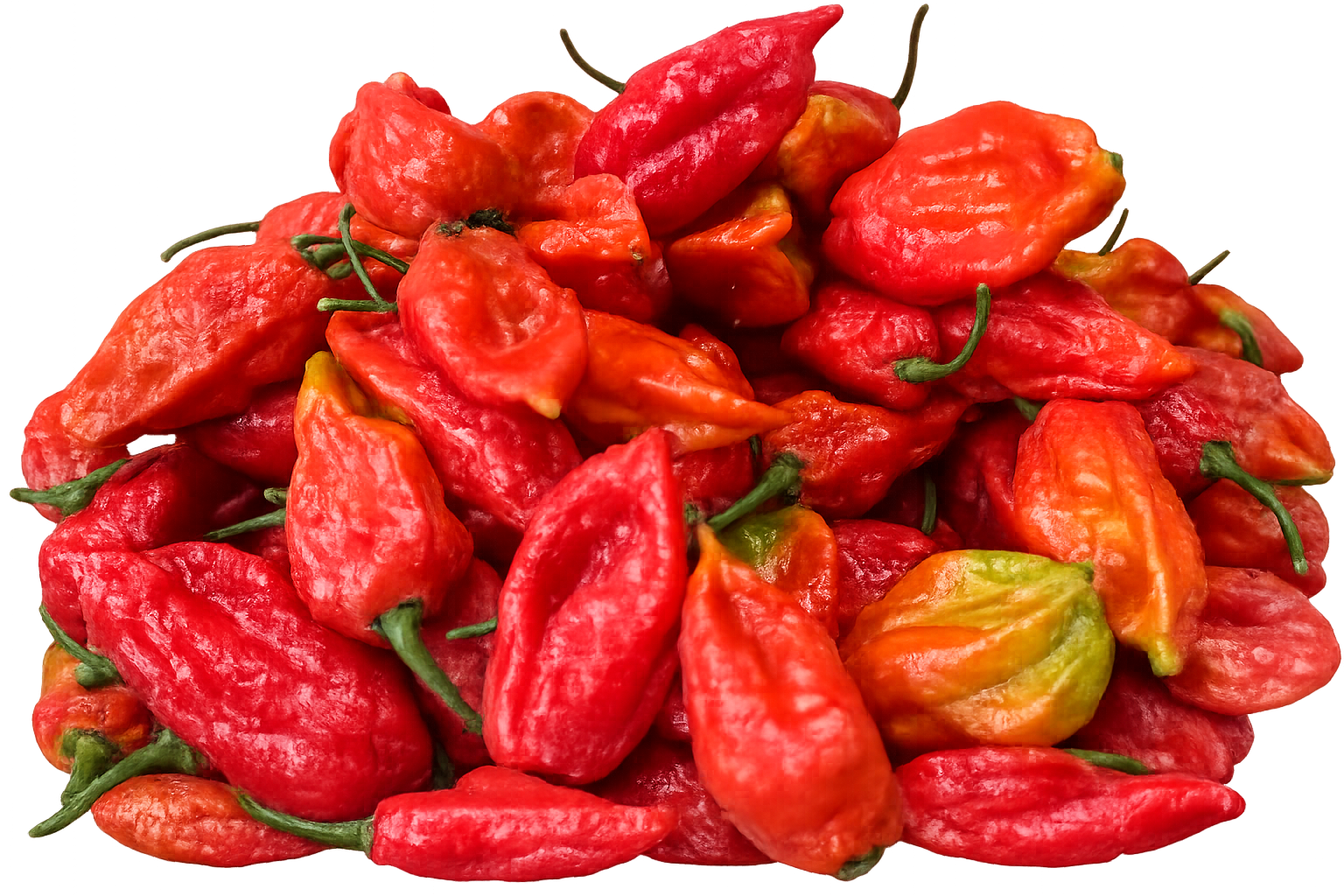

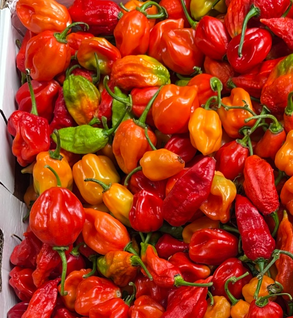
Description
Origins
Scientific Name
Capsicum chinense
Ghost peppers originate from India, specifically the northeastern regions of Assam, Nagaland, and Manipur.
Traditionally used in local cuisines and folk medicine, ghost peppers later gained global recognition as one of the world’s hottest peppers. Today, they are cultivated in tropical and subtropical regions worldwide, including Africa and the Americas, for culinary, medicinal, and specialty markets.
Nutritional Value
Despite their extreme heat, ghost peppers are nutrient-rich and medicinally valuable when used in moderation. They contain:
- Capsaicin – supports metabolism, pain relief, and anti-inflammatory responses
- Vitamin C – boosts immunity and supports skin health
- Vitamin A (beta-carotene) – supports vision and immune function
- Potassium – supports heart and muscle function
- Antioxidants – help fight oxidative stress
Traditionally, ghost peppers are used to aid digestion, circulation, congestion relief, and appetite stimulation.
Scientific Name
Capsicum chinense
Other Names
- Bhut Jolokia
- Ghost Chili
- Naga Jolokia
- Bih Jolokia
- King Chili
How It Is Grown
Ghost peppers are warm-season perennial plants (often grown as annuals) that require heat and careful management.
- Soil: Fertile, well-drained loamy soil rich in organic matter
- Climate: Hot, humid conditions with full sunlight
- Planting: Grown from seeds, usually started in nurseries and transplanted
- Watering: Regular but controlled watering; sensitive to waterlogging
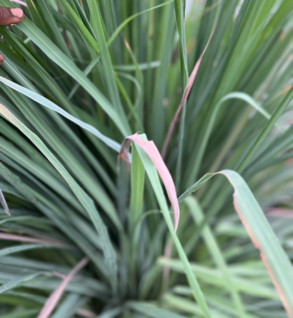
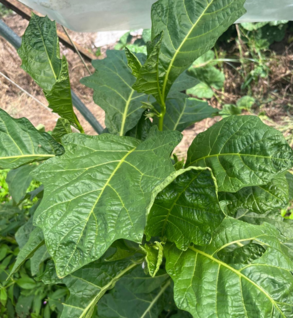
- Growth habit: Bushy plant with thin stems and wrinkled fruits
- Harvesting: Fruits mature 90–120 days after planting and turn red or orange when fully ripe
- Handling: Gloves recommended during harvesting due to extreme capsaicin levels

Reviews
There are no reviews yet.