
Description
Origins
Scientific Name
Cymbopogon citratus
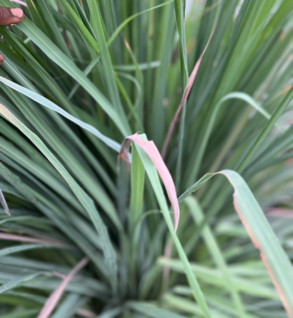
Lemongrass is a tropical aromatic grass native to South Asia and Southeast Asia, where it has been used for centuries in cooking, traditional medicine, and natural remedies.
Today, it is widely cultivated and consumed across West Africa, Central Africa, the Caribbean, and tropical parts of the Americas. In Africa, lemongrass is especially valued for herbal teas, medicinal infusions, and culinary flavoring.
Nutritional Value
Lemongrass is best known for its medicinal and wellness benefits rather than bulk nutrition. It contains:
- Vitamin A – supports vision and immune health
- Vitamin C – boosts immunity and helps fight infections
- B-vitamins (B1, B2, B3) – support energy metabolism
- Iron & Potassium – support blood health and heart function
- Essential oils (citral, limonene, myrcene) – provide antimicrobial, anti-inflammatory, and calming effects
- Antioxidants – help reduce oxidative stress
Traditionally, lemongrass tea is used to support digestion, detoxification, fever reduction, stress relief, and respiratory health.
Scientific Name
Cymbopogon citratus
Other Names
- Lemongrass
- Fever Grass
- Citronella Grass (culinary variety)
- Tangawizi Grass (East Africa)
- Lemon Grass Tea Plant
How It Is Grown
Lemongrass is a hardy perennial grass that thrives in warm, tropical, and subtropical climates.
- Soil: Prefers fertile, well-drained loamy or sandy soil
- Climate: Warm temperatures and full sunlight
- Planting: Commonly propagated through root divisions (clumps) rather than seeds
- Watering: Moderate watering; drought-tolerant once established
- Growth habit: Tall, clumping grass with long aromatic blades
- Harvesting: Leaves can be harvested continuously once plants are established (usually after 3–4 months)
- Maintenance: Regular cutting encourages fresh, tender regrowth


Reviews
There are no reviews yet.