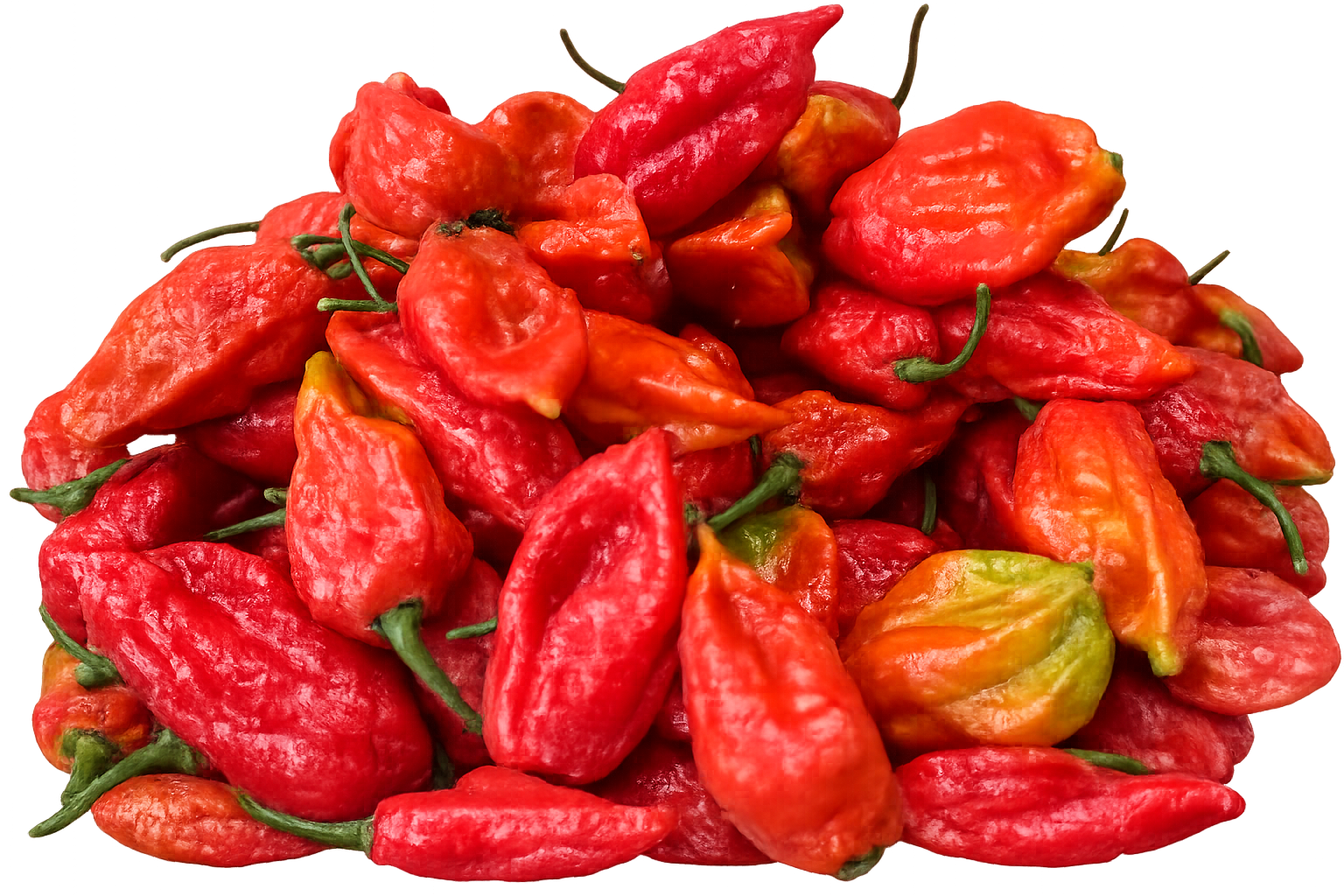

Description
Origins
Scientific Name
Moringa oleifera
Moringa originates from South Asia, particularly the foothills of the Himalayas in India.
Over centuries, it spread widely across Africa, especially West Africa and Central Africa, as well as the Caribbean and tropical Americas.
In Africa, moringa is often called the “miracle tree” because nearly every part of the plant is useful for food, medicine, or nutrition.
Nutritional Value
Moringa is one of the most nutrient-dense plants in the world. Its leaves are exceptionally rich in:
- Protein – contains all essential amino acids
- Vitamin A (beta-carotene) – supports vision, skin, and immune health
- Vitamin C – boosts immunity and supports healing
- Calcium – strengthens bones and teeth
- Iron – supports blood production and helps prevent anemia
- Potassium & Magnesium – support heart and muscle function
- Antioxidants & anti-inflammatory compounds – help fight oxidative stress
Because of its nutritional power, moringa is widely used to combat malnutrition, boost energy, and support overall wellness.
Scientific Name
Moringa oleifera
Other Names
- Drumstick Tree
- Miracle Tree
- Horseradish Tree
- Benzolive Tree
- Zogale (Hausa – Nigeria)
- Nebedaye (West Africa)
How It Is Grown
Moringa is a fast-growing, drought-tolerant perennial tree well suited to tropical and subtropical climates.
- Soil: Thrives in well-drained sandy or loamy soil
- Climate: Warm temperatures; tolerates heat and dry conditions
- Planting: Grown from seeds or cuttings
- Watering: Moderate watering during early growth; drought-tolerant once established
- Growth habit: Small to medium-sized tree with soft, feathery leaves
- Harvesting: Leaves can be harvested as early as 6–8 weeks after planting
- Maintenance: Regular pruning encourages bushy growth and higher leaf yield

Reviews
There are no reviews yet.