Description
Origins
Scientific Name
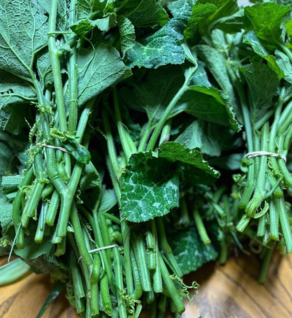
Leaves harvested from pumpkin plants in the genus Cucurbita, commonly:
- Cucurbita maxima
- Cucurbita moschata
- Cucurbita pepo
Pumpkin leaf is widely consumed across West Africa, Central Africa, East Africa, and parts of Asia.
In Africa, pumpkin leaves have long been used as a staple leafy vegetable, valued for their mild taste, versatility, and nutritional benefits. While the pumpkin plant is often grown for its fruit and seeds, the leaves are an important component of traditional diets and rural food security.
Nutritional Value
Pumpkin leaves are a nutrient-rich leafy vegetable that support overall health and vitality. They are rich in:
- Iron – supports blood production and helps prevent anemia
- Vitamin A (beta-carotene) – promotes good vision, skin health, and immunity
- Vitamin C – boosts immune function and supports healing
- Calcium & Magnesium – strengthen bones and muscles
- Dietary fiber – aids digestion and gut health
- Antioxidants – help reduce inflammation and oxidative stress
Pumpkin leaves are often recommended in traditional diets for strength, recovery, and balanced nutrition.
Scientific Name
Leaves harvested from pumpkin plants in the genus Cucurbita, commonly:
- Cucurbita maxima
- Cucurbita moschata
- Cucurbita pepo
Other Names
- Pumpkin Leaf
- Fluted Pumpkin Leaf (general usage, though botanically distinct from Telfairia)
- Ugu-like Leaf (culinary reference)
- Pumpkin Greens
- Squash Leaves
How It Is Grown
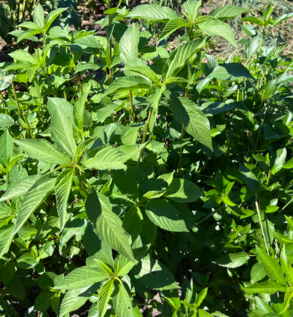
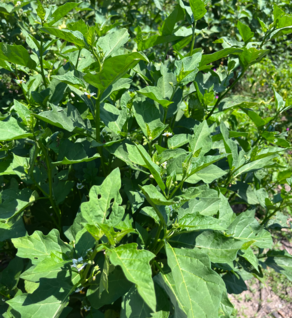
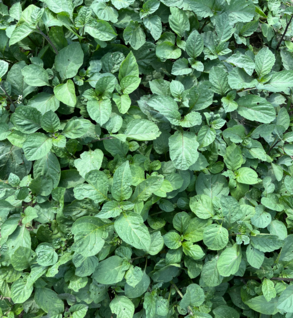
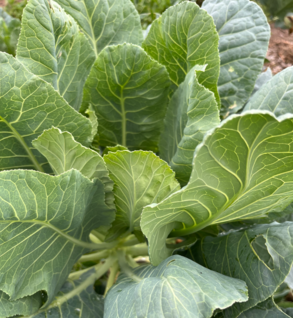
Pumpkin leaf is harvested from vigorous, fast-growing vine plants that thrive in warm climates.
- Soil: Prefers fertile, well-drained loamy soil enriched with organic matter
- Climate: Warm temperatures with moderate rainfall
- Planting: Grown from seeds planted directly into the soil
- Watering: Requires regular watering, especially during early growth
- Growth habit: Spreading or climbing vine with broad edible leaves
- Harvesting: Young, tender leaves are harvested starting 3–5 weeks after planting
- Maintenance: Regular leaf harvesting encourages continuous growth without harming fruit production

Reviews
There are no reviews yet.