Description
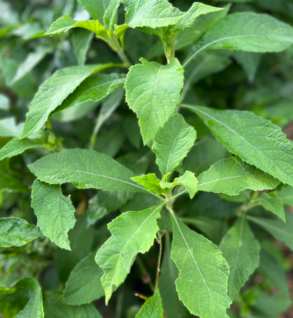
Vernonia amygdalina
Origins
Bitter leaf is an indigenous leafy vegetable native to West and Central Africa, where it has been cultivated and consumed for generations. It is especially popular in Nigeria, Cameroon, Ghana, and parts of East Africa. Traditionally, bitter leaf has served both culinary and medicinal purposes, featuring prominently in soups, stews, and herbal remedies. Its strong bitter taste is culturally appreciated and often associated with healing and wellness.
Nutritinal Value
Bitter leaf is a nutrient-dense medicinal vegetable, valued for its health-promoting properties. It contains:
- Iron – supports blood production and helps prevent anemia
- Vitamin A – supports vision, skin health, and immunity
- Vitamin C – strengthens the immune system
- Calcium & Potassium – support bone and heart health
- Dietary fiber – aids digestion and gut health
- Antioxidants & phytochemicals – help reduce inflammation and regulate blood sugar
In traditional medicine, bitter leaf is commonly used to support digestion, blood sugar control, detoxification, and general vitality.
Scientific Name
Vernonia amygdalina
Other Names
- Onugbu (Igbo – Nigeria)
- Ewuro (Yoruba – Nigeria)
- Ndolé (Cameroon – processed form)
- Bitter Leaf Tree
- African Bitter Leaf
How It Is Grown
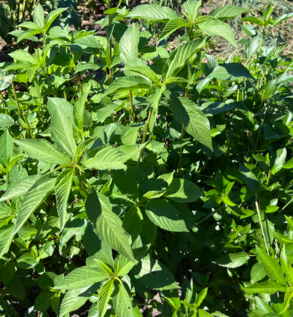
Bitter leaf is a hardy perennial shrub that thrives in tropical and subtropical climates.
- Soil: Grows well in fertile, well-drained loamy soil
- Climate: Warm temperatures with moderate rainfall
- Planting: Commonly propagated from stem cuttings, not seeds
- Watering: Moderate watering; drought-tolerant once established
- Maintenance: Regular pruning encourages new leaf growth
- Harvesting: Leaves can be harvested multiple times throughout the year
- Processing: Leaves are often washed or squeezed to reduce bitterness before cooking
Bitter leaf is well suited for organic and sustainable farming systems, making it an excellent crop for small-scale and commercial farms alike.


Reviews
There are no reviews yet.